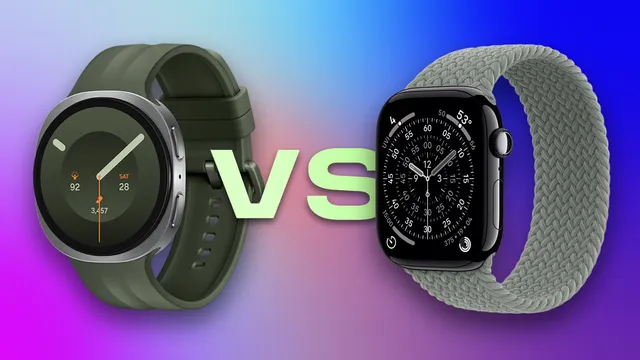
In July 2026, Samsung announced the Galaxy Watch 9, a new addition to its smartwatch lineup, which aims to compete with the Apple Watch Series 11. The Galaxy Watch 9 features a new processor, enhanced fitness capabilities, and a larger battery compared to its predecessor, making it a significant upgrade for users. The smaller 40mm model starts at $380 for the Bluetooth version, while the larger 44mm model is priced at $410. In contrast, the Apple Watch Series 11 offers a 42mm model starting at $399 and a titanium version that can reach up to $749.
The Galaxy Watch 9 boasts impressive battery life, lasting up to 30 hours with the always-on display enabled, and it can fast charge to 50% in just 30 minutes. The Apple Watch Series 11, however, provides up to 24 hours of battery life, extending to 38 hours in low power mode. Both watches require a connection to a smartphone or Wi-Fi for certain functionalities, but the Galaxy Watch 9's battery performance gives it an edge in daily use.
Fitness tracking has become a crucial aspect of smartwatches, and both models offer a range of health monitoring features. However, the Galaxy Watch 9 does not include a blood pressure monitoring feature, which may be a consideration for potential buyers. The competition between these two flagship smartwatches highlights the growing demand for advanced health tracking and longer battery life in wearable technology.
As consumers increasingly prioritize fitness and convenience, the Galaxy Watch 9's enhancements position it as a strong contender against the Apple Watch Series 11. The ongoing rivalry between Samsung and Apple in the smartwatch market continues to drive innovation, with both companies striving to meet the evolving needs of their customers.