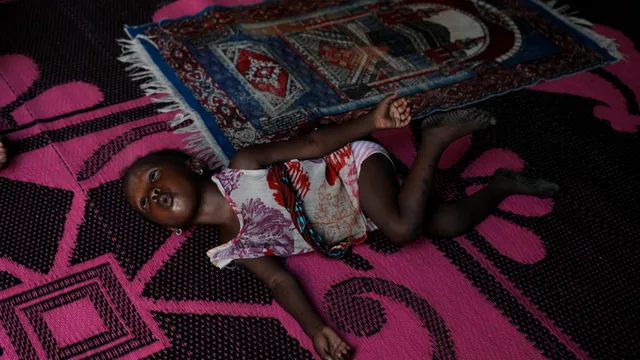
In Sokoto, Nigeria, the economic situation has worsened significantly due to the ongoing conflict in the Middle East, particularly the Iran war. Families like that of Maryam Aminu are experiencing severe hardships, with her last child diagnosed with malnutrition for the second time in April 2026. The family's struggles intensified after her husband lost his job as a taxi driver in February 2026, following a spike in petrol prices that surged from 800 naira to 1,400 naira per liter. This increase has had a cascading effect on the prices of food and other necessities, making it increasingly difficult for families to provide adequate nutrition for their children.
Local health and aid workers report a troubling trend of children relapsing into malnutrition across northern Nigeria, a region already grappling with poverty and an insurgency crisis. The United Nations children's agency, UNICEF, has warned that if the conflict continues, up to 23.4 million additional children could fall into monetary poverty by the end of the year. The situation is dire, as soaring prices and economic instability threaten the long-term health and development of children in these vulnerable households.
The impact of the Iran war extends far beyond its immediate geographical boundaries, affecting families in Nigeria who are already struggling with high inflation and economic reforms initiated by the Nigerian government. The removal of fuel subsidies and currency devaluation have exacerbated the financial strain on families, leading to increased rates of malnutrition and stunting among children. Health workers in Sokoto have noted a rise in the number of children returning to health facilities after falling back into malnutrition, highlighting the urgent need for intervention and support.
As the conflict continues, analysts warn that the situation for vulnerable populations in northern Nigeria will only worsen. The economic repercussions of the Iran war are felt deeply in communities that are already under pressure, and without significant changes, the long-term implications for children's health and well-being could be catastrophic. The plight of families like Maryam Aminu's serves as a stark reminder of the far-reaching consequences of global conflicts on local populations.