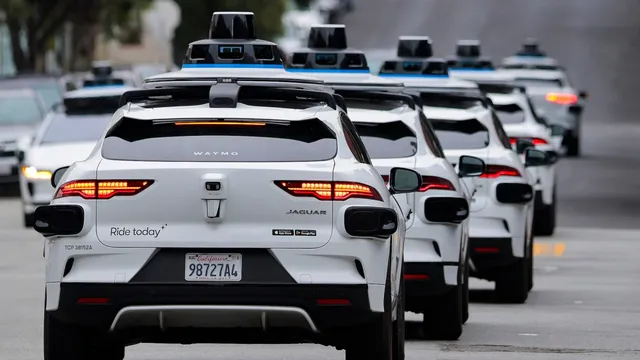
The impact of autonomous vehicles on public safety is a critical area of research as these technologies continue to evolve and integrate into our transportation systems. Autonomous vehicles (AVs) have the potential to significantly reduce traffic accidents, which are often caused by human error. According to various studies, human factors contribute to approximately 94% of all traffic accidents. By removing the human element from driving, AVs can potentially decrease the number of collisions, injuries, and fatalities on the roads. Furthermore, the implementation of advanced sensors and artificial intelligence in AVs allows for improved decision-making and reaction times compared to human drivers, which can enhance overall road safety.
However, the transition to a fully autonomous vehicle fleet presents several challenges that must be addressed to ensure public safety. One of the primary concerns is the reliability of the technology under various driving conditions, including adverse weather, complex urban environments, and unpredictable human behavior. Incidents involving AVs, such as the high-profile accidents that have occurred during testing phases, raise questions about the readiness of these systems for widespread use. Regulatory frameworks and safety standards must be established to govern the testing and deployment of AVs, ensuring that they meet rigorous safety criteria before being allowed on public roads.
Public perception and acceptance of autonomous vehicles also play a crucial role in their impact on safety. Many individuals express concerns about the safety of AVs, stemming from a lack of understanding of the technology and its capabilities. Education and outreach efforts are essential to inform the public about the safety benefits of AVs, as well as the measures in place to mitigate risks. Additionally, addressing ethical considerations, such as decision-making in unavoidable accident scenarios, is vital for gaining public trust and ensuring that AVs are developed with societal values in mind.
In conclusion, while autonomous vehicles hold the promise of enhancing public safety by reducing accidents caused by human error, significant challenges remain. The technology must be rigorously tested and regulated to ensure reliability and safety in diverse driving conditions. Public education and trust-building efforts are equally important to facilitate the acceptance of AVs. As we move forward, a collaborative approach involving stakeholders from government, industry, and the community will be essential to maximize the safety benefits of autonomous vehicles and to navigate the complexities of their integration into our transportation systems.