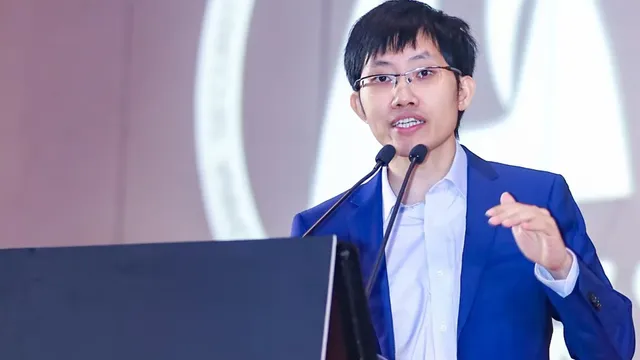
In China, the tech industry has been characterized by a demanding work culture known as the 996 schedule, which requires employees to work from 9 a.m. to 9 p.m., six days a week. This grueling routine has been widely adopted by major companies like Alibaba and Tencent, with many founders praising it as essential for success. However, DeepSeek, an AI company founded by Liang Wenfeng, stands out as an exception to this norm. Liang has implemented a relaxed work environment where employees do not have to adhere to strict working hours or key performance indicators (KPIs). Instead, they are encouraged to manage their time and tasks based on a shared vision rather than rigid organizational structures. This approach allows employees to spend half of their workday on formal tasks while having the freedom to pursue their interests during the other half. Liang's philosophy is that the company thrives on consensus and creativity rather than traditional metrics of productivity. This model challenges the prevailing 996 culture in China, which has been criticized for contributing to high levels of stress and burnout among workers. Despite the outlawing of the 996 schedule in 2021, many companies continue to embrace it, viewing long hours as a badge of honor. The contrast between DeepSeek's work culture and that of other tech firms highlights a growing debate about work-life balance and employee well-being in the fast-paced tech industry. As youth unemployment rises, many young professionals are opting out of the relentless grind, prompting a reevaluation of work expectations in the sector. DeepSeek's approach may serve as a model for other companies looking to foster a healthier work environment while still competing in the global tech landscape.