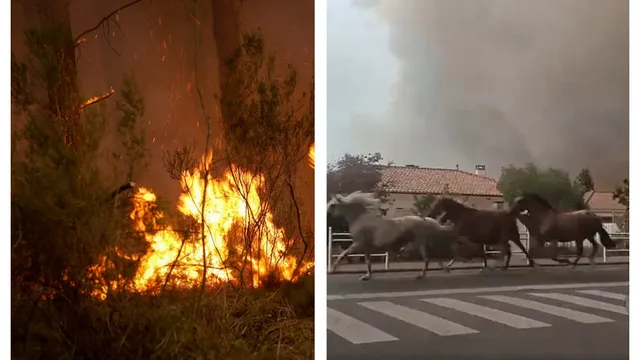
Climate change has emerged as a significant driver of wildfires across Europe, with rising temperatures, prolonged droughts, and shifting precipitation patterns contributing to an increased frequency and intensity of these events. The Mediterranean region, in particular, has been identified as a hotspot for wildfire activity, where higher temperatures and lower humidity levels create ideal conditions for fires to ignite and spread. The changing climate not only affects the natural environment but also poses serious risks to human health, property, and biodiversity. As the climate continues to warm, the window for effective fire management and prevention shrinks, making it imperative to understand the underlying factors contributing to this phenomenon.
The impact of climate change on wildfires is multifaceted, involving both direct and indirect effects. Directly, rising temperatures can lead to increased evaporation rates, resulting in drier soils and vegetation. This dryness creates a more combustible landscape, making it easier for wildfires to start and spread. Indirectly, climate change influences the timing and distribution of precipitation, which can lead to periods of extreme wetness followed by drought. Such fluctuations can create a cycle of growth and die-off in vegetation, further exacerbating fire risks. Additionally, the changing climate affects the seasonal patterns of wildfires, with earlier onset and longer fire seasons becoming more common across various regions in Europe.
The socio-economic implications of increased wildfire activity are profound. Communities in fire-prone areas face heightened risks, leading to potential loss of life, displacement, and economic disruption. The costs associated with firefighting efforts, property damage, and recovery can strain local and national resources. Furthermore, wildfires contribute to air pollution, which poses health risks to populations far beyond the immediate vicinity of the fires. The interplay between climate change and wildfires necessitates a comprehensive approach to risk management, including improved land-use planning, investment in fire prevention strategies, and community education on fire safety.
In conclusion, the impact of climate change on wildfires in Europe is a pressing issue that requires urgent attention from policymakers, researchers, and communities alike. As the climate continues to evolve, understanding the dynamics of wildfires and their relationship with climate change will be crucial for developing effective mitigation and adaptation strategies. Collaborative efforts across borders, integrating scientific research with local knowledge, will be essential in addressing the challenges posed by wildfires in a changing climate.