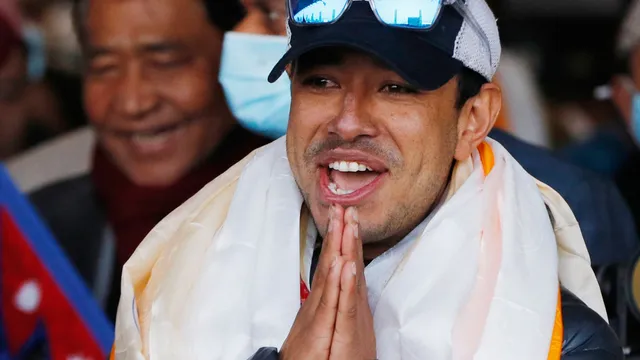
Ten climbers feared missing after avalanche in Pakistan
environment
tragic
catastrophic

Ten climbers feared missing after avalanche in Pakistan

11
(Update: )
former Gurkha and Special Forces Soldier, Mountaineer
sovereign state in South Asia
mountain in China/Pakistan; 12th highest in the world
  • An avalanche struck a team of ten climbers on Broad Peak in northern Pakistan.
  • The team, led by Nirmal Purja, has been out of communication since the incident.
  • Rescue efforts are underway, but adverse weather conditions complicate the situation.
Share opinion
1

Story

In northern Pakistan, a climbing expedition faced a tragic incident when an avalanche struck Broad Peak, one of the highest mountains in the Karakoram range. The Alpine Club of Pakistan reported that ten climbers, including renowned Nepali mountaineer Nirmal Purja, are currently unaccounted for following the avalanche. The team, which consists of climbers from various countries including Nepal, Pakistan, Oman, China, and the United States, has been out of communication since the event occurred. Rescue efforts are being mobilized, but the situation is complicated by adverse weather conditions. Nirmal Purja is well-known in the mountaineering community for his remarkable achievements, including climbing all 14 peaks over 8,000 meters in a record time of six months and six days in 2019. His recent accomplishment includes the first winter ascent of K2 in 2021, showcasing his exceptional skills and determination. The current expedition on Broad Peak was expected to be another significant challenge for the team, but the avalanche has raised serious concerns about their safety. The Alpine Club of Pakistan has expressed deep concern over the reports of the avalanche and is coordinating efforts to deploy helicopter support and other rescue resources. However, the effectiveness of these efforts is heavily dependent on the weather and operational conditions in the region. The lack of communication from the climbers adds to the urgency and anxiety surrounding the situation, as families and friends await news of their loved ones. As the search and rescue operations continue, the mountaineering community is rallying in support of the missing climbers. The incident highlights the inherent dangers of high-altitude climbing, particularly in regions known for unpredictable weather and challenging conditions. The outcome of this situation remains uncertain, but the hope is that the rescue teams can reach the climbers in time to provide assistance and bring them back safely.

Context

Mountaineering is an exhilarating activity that attracts adventurers from all walks of life, but it also comes with significant risks that must be understood and managed. The allure of reaching the summit of a mountain can often overshadow the inherent dangers involved, including altitude sickness, weather changes, avalanches, and falls. Proper preparation and knowledge of these risks are essential for ensuring safety during mountaineering expeditions. Climbers must be aware of their physical limits, the environmental conditions, and the technical skills required for the terrain they intend to navigate. Training and experience play a crucial role in mitigating risks, as does the use of appropriate gear and equipment designed for specific climbing conditions. One of the most critical aspects of mountaineering safety is understanding altitude sickness, which can affect climbers at elevations above 8,000 feet. Symptoms can range from mild headaches and nausea to severe complications such as High Altitude Pulmonary Edema (HAPE) and High Altitude Cerebral Edema (HACE). To prevent altitude sickness, climbers should ascend gradually, allowing their bodies to acclimatize, and be prepared to descend if symptoms worsen. Additionally, weather conditions can change rapidly in mountainous regions, leading to dangerous situations such as storms or extreme cold. Climbers should always check weather forecasts and be prepared with contingency plans, including the ability to turn back if conditions become unsafe. Avalanches are another significant risk in mountaineering, particularly in snow-covered areas. Understanding avalanche terrain and recognizing the signs of instability in snowpack are vital skills for climbers. It is essential to carry avalanche safety equipment, such as beacons, probes, and shovels, and to have training in their use. Group dynamics also play a crucial role in safety; climbers should communicate effectively, establish roles within the team, and make collective decisions based on the group's safety rather than individual ambition. In conclusion, while mountaineering offers unparalleled experiences and breathtaking views, it is imperative that climbers approach the activity with respect for the risks involved. Comprehensive training, awareness of environmental conditions, and effective communication within teams are essential components of a safe climbing experience. By prioritizing safety and preparation, climbers can enjoy the thrill of mountaineering while minimizing the potential for accidents and injuries.