Biogen's new drug shows promise in slowing Alzheimer's decline
science
innovative
impactful

Biogen's new drug shows promise in slowing Alzheimer's decline

21
(Update: )
American multinational biotechnology company
progressive, neurodegenerative disease characterized by memory loss
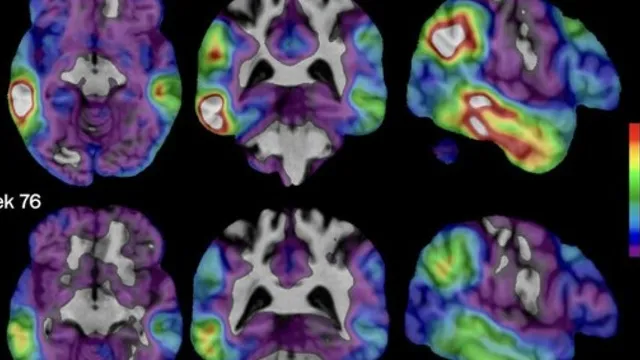
  • Biogen's diranersen targets tau protein associated with Alzheimer's disease.
  • The study showed a 26% reduction in cognitive decline in a subset of participants.
  • These findings may lead to renewed interest in tau-targeting therapies for Alzheimer's.
Share opinion
2

Story

In a recent study presented at the Alzheimer’s Association International Conference in London, researchers evaluated Biogen's experimental drug diranersen, which targets tau protein associated with Alzheimer's disease. The study involved approximately 400 participants with mild cognitive impairment or mild Alzheimer's, who were randomly assigned to receive either diranersen or a placebo. The results indicated that the drug not only reduced tau levels but also showed a 26% reduction in cognitive decline in a small subset of participants, comparable to the effects seen with existing amyloid-targeting therapies. Notably, there were no signs of brain inflammation, a common side effect of anti-amyloid drugs. The findings have sparked renewed interest in tau-targeting therapies, which have historically faced challenges in drug development. Jessica Langbaum from the Banner Alzheimer’s Institute expressed optimism about the results, suggesting that they could reinvigorate investment in tau mechanisms. The study's outcomes are significant as they highlight a potential new avenue for treating Alzheimer's, a disease that affects millions globally and for which effective treatments are urgently needed. In addition to diranersen, other innovative approaches to combat Alzheimer's are being explored, including a tau vaccine and a heart drug that may also reduce Alzheimer's risk. The University of California, San Francisco, has initiated the Alzheimer’s Tau Platform, focusing on a vaccine designed to train the immune system to combat specific tau protein segments. This research is particularly relevant for individuals with a genetic predisposition to Alzheimer's, such as those carrying the APOE4 gene, which influences cholesterol processing and may also affect Alzheimer's risk. As the field of Alzheimer's research evolves, the need for new strategies to penetrate the blood-brain barrier and deliver drugs effectively to the brain remains a priority. Companies are actively seeking ways to enhance drug delivery to improve treatment outcomes for patients suffering from this debilitating disease. The promising results from Biogen's study could pave the way for further research and development in tau-targeting therapies, potentially offering hope to millions affected by Alzheimer's disease.

Context

Alzheimer's disease (AD) is a progressive neurodegenerative disorder characterized by cognitive decline, memory loss, and behavioral changes. As of 2023, research has intensified in the quest for effective treatments, focusing on various therapeutic strategies aimed at slowing disease progression and alleviating symptoms. Recent studies have highlighted the importance of targeting amyloid-beta plaques and tau protein tangles, which are hallmarks of AD pathology. Several monoclonal antibodies, such as aducanumab and lecanemab, have shown promise in clinical trials, demonstrating the potential to reduce amyloid burden in the brain and improve cognitive function in early-stage patients. However, the clinical efficacy and safety of these treatments continue to be subjects of ongoing debate and investigation within the scientific community. In addition to amyloid-targeting therapies, researchers are exploring the role of inflammation and neurodegeneration in AD. The use of anti-inflammatory agents and neuroprotective strategies is gaining traction, with studies indicating that modulating the immune response may help preserve neuronal function and delay cognitive decline. Furthermore, lifestyle interventions, including diet, exercise, and cognitive training, have been shown to have a positive impact on brain health and may serve as adjunctive therapies to pharmacological treatments. The Mediterranean diet, rich in antioxidants and healthy fats, has been associated with a reduced risk of developing AD, highlighting the importance of holistic approaches in managing the disease. Another area of focus in Alzheimer's research is the exploration of biomarkers for early diagnosis and monitoring of disease progression. Advances in neuroimaging techniques, such as PET scans and MRI, have enabled researchers to visualize pathological changes in the brain before clinical symptoms manifest. Additionally, blood-based biomarkers are being investigated for their potential to provide a less invasive and more accessible means of diagnosing AD. The identification of reliable biomarkers is crucial for the timely initiation of treatment and for the evaluation of therapeutic efficacy in clinical trials. As we move forward, collaboration between researchers, clinicians, and pharmaceutical companies will be essential in translating scientific discoveries into effective treatments for Alzheimer's disease. The landscape of AD research is rapidly evolving, with numerous clinical trials underway and a growing understanding of the complex mechanisms underlying the disease. While challenges remain, the commitment to finding effective therapies offers hope for patients and families affected by Alzheimer's, paving the way for improved quality of life and potentially altering the course of this devastating illness.