Wildfires force mass evacuations in France and Spain
environment
tragic
catastrophic

Wildfires force mass evacuations in France and Spain

11
(Update: )
country in Western Europe
country in Central and Southeastern Europe
country in Southwestern Europe
country in Central Europe
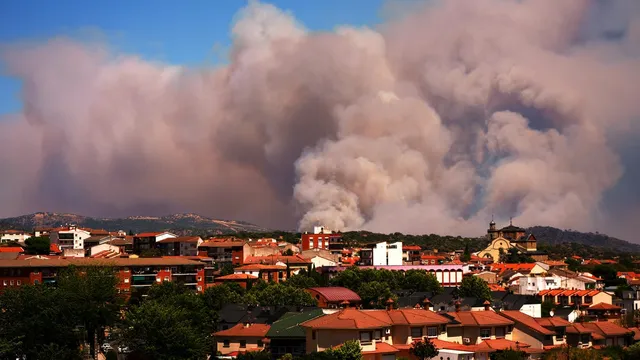
  • A wildfire in southwest France has led to the evacuation of 220,000 people, particularly in the Gironde region.
  • Firefighters are battling the blaze with the support of military personnel and international resources.
  • The situation highlights the increasing frequency of wildfires in Europe, raising concerns about climate change.
Share opinion
1

Story

In southwest France, a devastating wildfire has led to the evacuation of approximately 220,000 people, particularly affecting the Gironde region near Bordeaux. The fire, which has been raging since midweek, has expanded to an estimated 42,000 hectares, significantly impacting local communities and the environment. Authorities have issued evacuation orders for multiple localities as the flames approached the metropolitan area of Bordeaux, creating a dire situation for residents and emergency services alike. Interior Minister Laurent Nunez reported that the fire has become increasingly virulent and unpredictable, complicating firefighting efforts. Fire crews, numbering around 2,500, are working tirelessly to contain the blaze, supported by 18 aircraft and helicopters. The situation remains critical, with the fire advancing erratically and generating its own winds, making it difficult for firefighters to predict its path. In addition to the Gironde region, a second fire in the Landes region has also forced the evacuation of 36,000 people, bringing the total number of displaced individuals in southwest France to over 250,000. Firefighters are engaged in round-the-clock efforts to combat the flames, with military personnel assisting in the firefighting operations. The scale of the disaster has prompted international support, with neighboring countries sending water-dropping planes and additional firefighting resources. Meanwhile, Spain is also grappling with wildfires, particularly in the Valencia region, where 116,000 people have been evacuated due to uncontrolled blazes. The situation in both countries highlights the increasing frequency and intensity of wildfires, exacerbated by climate conditions such as heat waves and dry weather. The recent fires in Spain have already resulted in fatalities, underscoring the urgent need for effective fire management and prevention strategies in the face of climate change.

Context

Climate change has emerged as a critical factor influencing the frequency and intensity of wildfires in Spain and France. Over the past few decades, rising temperatures and prolonged drought conditions have created an environment conducive to wildfires. In Spain, the Mediterranean climate, characterized by hot, dry summers, has been exacerbated by climate change, leading to an increase in the number of wildfires. Similarly, France has experienced significant wildfire events, particularly in the southern regions, where the combination of heatwaves and dry conditions has made forests more susceptible to ignition. The interplay between climate change and wildfires poses a serious threat to biodiversity, ecosystems, and human settlements in both countries. The impact of wildfires extends beyond immediate destruction; they contribute to long-term environmental degradation. In Spain, wildfires have led to soil erosion, loss of habitat for wildlife, and air pollution due to the release of carbon dioxide and other harmful pollutants. The situation is mirrored in France, where wildfires not only devastate landscapes but also threaten agricultural productivity and water quality. The economic costs associated with firefighting efforts, property damage, and loss of tourism revenue are substantial, prompting both governments to seek effective strategies for wildfire management and prevention. In response to the growing threat of wildfires, Spain and France have implemented various measures aimed at mitigating the risks associated with climate change. These include enhancing forest management practices, increasing investment in firefighting resources, and promoting community awareness programs. Both countries have recognized the importance of collaboration at the European level to address the transboundary nature of wildfires. Initiatives such as the European Union's Forest Fire Information System (EFFIS) provide valuable data and support for coordinated responses to wildfire incidents. Looking ahead, the challenge of wildfires in Spain and France will likely intensify as climate change continues to evolve. It is crucial for policymakers to prioritize sustainable land management practices, invest in research on climate resilience, and engage local communities in wildfire prevention efforts. By adopting a proactive approach, both countries can better prepare for the increasing frequency of wildfires, protect their natural resources, and safeguard the health and safety of their populations.