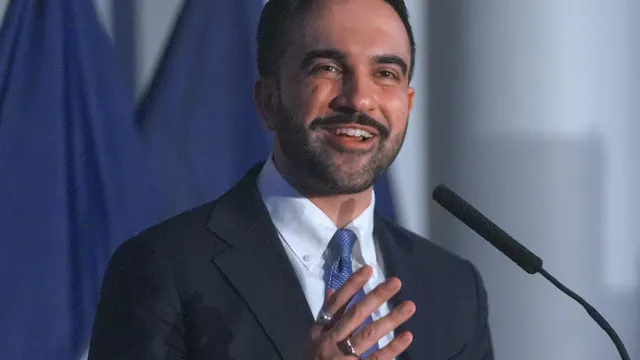
In the United States, New York City Mayor Zohran Mamdani has stirred controversy by suggesting that Israeli Prime Minister Benjamin Netanyahu should be arrested when he visits the city. This statement comes in light of an arrest warrant issued by the International Criminal Court against Netanyahu, which is related to allegations of genocide during the Gaza conflict. However, Israeli officials, including Ambassador to the United Nations Danny Danon, have dismissed Mamdani's remarks as mere political posturing, emphasizing that the U.S. is not bound by the ICC's jurisdiction and that there is no legal basis for such an arrest in the country.
Legal scholar John Yoo has also weighed in on the matter, calling for an investigation into Mamdani's comments by the Department of Justice. Yoo argues that the mayor's statements could violate federal law, specifically the American Servicemembers' Protection Act, which protects U.S. citizens and allies from being handed over to the ICC. He contends that local officials cannot interfere with federal foreign policy, and Mamdani's remarks could be seen as a challenge to U.S. sovereignty.
Mamdani, who has been criticized for his political affiliations and rhetoric, stated that he believes Netanyahu is a war criminal deserving of prosecution. He has expressed his commitment to acting within the legal framework of New York City, asserting that he will not create new laws to facilitate such actions. This situation has sparked a broader debate about the role of local officials in international matters and the implications of their statements on U.S. foreign relations.
President Donald Trump has also publicly supported Netanyahu, asserting that he will not face arrest in the U.S. and condemning the Iranian regime for its actions against innocent people. The president's comments reflect a strong stance against any perceived threats to Israel and highlight the complexities of U.S.-Israel relations amidst ongoing tensions in the Middle East. As the situation unfolds, it raises questions about the intersection of local politics, international law, and diplomatic relations.