In the ongoing conflict with Iran, the United States has significantly depleted its missile stockpiles, particularly Tomahawk cruise missiles and Patriot interceptors. This depletion has raised concerns about the U.S. military's ability to respond effectively in future conflicts, especially with potential adversaries like China. The situation has become increasingly dire as U.S. forces have conducted numerous strikes on Iranian targets, leading to a rapid consumption of these critical military resources. Observers are questioning the strategy employed by President Donald Trump, as the conflict shows no signs of resolution and the Iranian regime remains intact.
The U.S. military's reliance on these advanced weapon systems has been highlighted by recent analyses, which indicate that it could take years to replenish the stockpiles that have been used in the ongoing war. The Pentagon has acknowledged that the production capabilities for these weapons are insufficient to meet the current demands of the conflict. As a result, there are growing fears that American forces may be left vulnerable in any future engagements, particularly as tensions with China escalate over Taiwan.
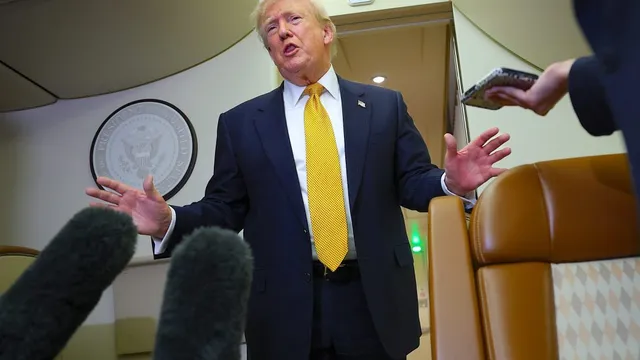
In light of these challenges, President Trump is set to address a defense summit at the U.S. Army War College, where he will discuss investments in battlefield technology. This summit aims to bring together key leaders in defense and major investors to explore opportunities for enhancing national security. However, the backdrop of dwindling missile supplies casts a shadow over these discussions, as military experts warn that the U.S. must urgently address its supply chain issues to ensure readiness for future conflicts.
The situation in the Strait of Hormuz has also become critical, with shipping traffic falling to a two-month low due to the ongoing military actions and threats from the U.S. to impose blockades on Iranian vessels. The geopolitical implications of this conflict are profound, as the U.S. grapples with the consequences of its military strategy and the potential for further escalation in the region. As the war continues, the American public remains concerned about rising gasoline prices and the overall impact of the conflict on national security and economic stability.