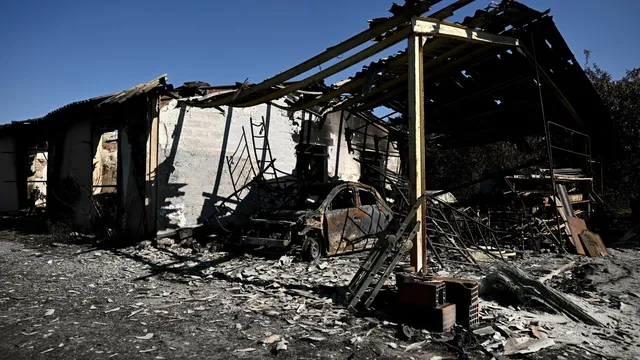
In recent weeks, wildfires have ravaged parts of Spain and France, leading to the evacuation of approximately 330,000 individuals from their homes and holiday sites. The fires, some of the worst seen in Europe this summer, have been exacerbated by extreme heat conditions, particularly in the Gironde region of France and various areas in Spain. The Gironde wildfire alone has consumed land equivalent to four times the size of Paris, displacing around 220,000 people. This alarming situation highlights the increasing frequency and intensity of fire seasons across Europe, which is experiencing climate change at a rate more than double the global average.
Scientists have noted that some of these wildfires are now generating their own weather systems, complicating efforts to control them. Jean-Baptiste Filippi, a fire-weather expert at France's Centre National de la Recherche Scientifique, emphasized the challenges posed by these firestorms, stating, "You cannot stop a storm, so you will not stop a firestorm." The ongoing devastation serves as a stark reminder of the urgent need to address the climate crisis, which is reshaping communities and landscapes across the continent.
The European Union's Copernicus Climate Change Service has reported that Europe is the fastest-warming continent, facing increasingly severe weather patterns that contribute to the growing threat of wildfires. As the situation continues to unfold, the impact on local communities is profound, with many residents losing their homes and livelihoods. The fires not only threaten human life but also have devastating effects on the environment, wildlife, and air quality in the affected regions.
In light of these events, it is crucial for governments and organizations to take immediate action to mitigate the effects of climate change and implement strategies to prevent future wildfires. The current crisis serves as a wake-up call for the international community to prioritize climate action and invest in sustainable practices that can help protect vulnerable areas from the increasing threat of wildfires.