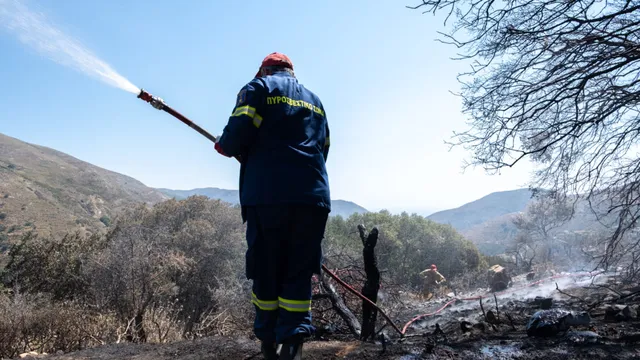
Wildfires have become an increasingly significant environmental concern in Greece, particularly in the context of climate change and its associated impacts. The Mediterranean climate, characterized by hot, dry summers and mild, wet winters, creates an environment that is particularly susceptible to wildfires. In recent years, the frequency and intensity of these fires have escalated, leading to devastating consequences for the Greek landscape, biodiversity, and local communities. The impact of wildfires extends beyond immediate destruction; it also affects soil quality, air quality, and water resources, creating long-term challenges for the environment and public health.
The immediate effects of wildfires on the Greek environment are stark. Forests, which serve as critical habitats for numerous species, are often decimated, leading to a loss of biodiversity. Many endemic species, which are unique to the region, face extinction due to habitat destruction. Additionally, the loss of vegetation exacerbates soil erosion, as the protective cover that prevents soil degradation is removed. This erosion can lead to sedimentation in rivers and streams, affecting water quality and aquatic ecosystems. Furthermore, the ash and debris from wildfires can contaminate water sources, posing risks to both human health and wildlife.
Air quality is another significant concern following wildfires. The combustion of vegetation releases a variety of pollutants, including particulate matter and volatile organic compounds, which can have detrimental effects on respiratory health for local populations. The smoke from wildfires can travel long distances, affecting air quality in areas far removed from the fire itself. This is particularly concerning for vulnerable groups, such as children, the elderly, and individuals with pre-existing health conditions. The economic implications are also considerable, as the costs associated with firefighting efforts, property damage, and health care can strain local and national resources.
In response to the growing threat of wildfires, Greece has implemented various strategies aimed at prevention and mitigation. These include improved forest management practices, public awareness campaigns, and investment in firefighting resources. However, the effectiveness of these measures is often challenged by the increasing frequency of extreme weather events linked to climate change. As temperatures rise and drought conditions become more prevalent, the risk of wildfires is likely to continue to escalate. Therefore, a comprehensive approach that includes climate adaptation strategies, community engagement, and international cooperation is essential to address the multifaceted impacts of wildfires on the Greek environment.