Nirmal Purja and nine climbers confirmed dead after avalanche in Pakistan
military conflicts
tragic
catastrophic

Nirmal Purja and nine climbers confirmed dead after avalanche in Pakistan

10
(Update: )
sovereign state in South Asia
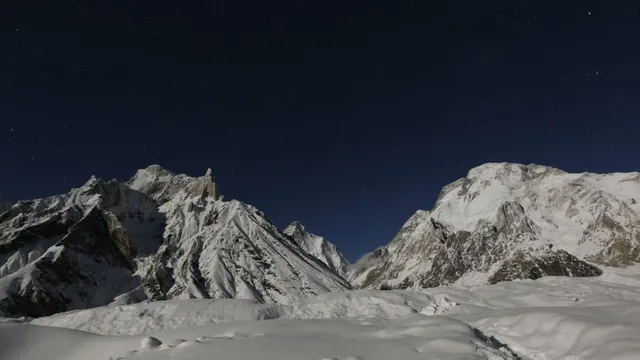
mountain in China/Pakistan; 12th highest in the world
  • An avalanche on Broad Peak in Pakistan claimed the lives of Nirmal Purja and nine other climbers.
  • Rescue teams faced challenging weather conditions while searching for the climbers.
  • The tragedy highlights the risks associated with high-altitude climbing in the region.
Share opinion
1

Story

On Thursday, July 30, 2026, an avalanche struck Broad Peak in Pakistan, resulting in the tragic deaths of renowned British-Nepali climber Nirmal Purja and nine other climbers. The 10-member expedition was caught in the avalanche while attempting to summit the mountain, a popular but perilous destination in the Karakoram range. Rescuers faced harsh weather conditions that complicated their search efforts, but they managed to recover four bodies, with three being retrieved on Friday. The search continued on Saturday, with military helicopters assisting in the recovery operations. Nirmal Purja, known for his record-breaking climbs, led the expedition, which included climbers from various countries united by their passion for mountaineering. The loss of these climbers has been described as an immeasurable loss to the global mountaineering community. Irfan Arshad Khan, president of the Alpine Club of Pakistan, expressed condolences and highlighted the risks associated with high-altitude climbing in the region, where accidents are common due to avalanches, falling ice, and rapidly changing weather. The expedition was particularly significant for several climbers involved. It was the first attempt at an 8,000-meter peak for American climber Mallory Geis, while it was expected to be the final climb for guide Sakhi, who had extensive experience in high-altitude photography and geography. The tragedy has sparked discussions about the inherent dangers of climbing in the Himalayas and Karakoram, as well as the need for improved safety measures for climbers. As search teams continue their efforts to recover the remaining bodies, the mountaineering community mourns the loss of these courageous individuals. Purja's expedition company, Elite Exped, released a statement honoring the climbers and acknowledging the profound impact of their loss. The incident serves as a stark reminder of the beauty and peril of the mountains, and the risks faced by those who dare to explore them.

Context

Avalanches pose a significant risk to climbers and outdoor enthusiasts in mountainous regions, particularly during winter and early spring when snow conditions are unstable. Understanding avalanche safety measures is crucial for anyone venturing into these environments. The first step in avalanche safety is education. Climbers should familiarize themselves with avalanche terrain, recognize the signs of potential avalanche conditions, and learn how to read avalanche forecasts. Various organizations provide training courses that cover essential topics such as snowpack analysis, weather patterns, and the use of avalanche safety equipment. Knowledge of these factors can greatly enhance a climber's ability to make informed decisions in the field. In addition to education, proper equipment is vital for avalanche safety. Essential gear includes an avalanche transceiver, a probe, and a shovel. The transceiver allows for quick location of buried individuals in the event of an avalanche, while the probe helps to pinpoint their exact location. A shovel is necessary for digging out victims. It is also advisable for climbers to carry a first aid kit and a communication device, such as a satellite phone or a two-way radio, to call for help if needed. Regularly checking and maintaining this equipment ensures that it functions correctly when it is most needed. Another critical aspect of avalanche safety is group dynamics and decision-making. Climbers should always travel in groups and establish clear communication protocols. Before embarking on a climb, groups should discuss their objectives, potential risks, and safety measures. It is essential to designate a leader who can make decisions based on the group's collective input and the current conditions. Regularly assessing the group's progress and the environment can help identify any changes that may increase the risk of an avalanche. If conditions become unfavorable, it is crucial to have the discipline to turn back or alter plans accordingly. Finally, climbers should always have an emergency plan in place. This plan should include designated meeting points, procedures for dealing with an avalanche, and a strategy for seeking help if someone is injured or missing. Practicing these emergency procedures can save valuable time in a crisis. By prioritizing education, using the right equipment, fostering effective group dynamics, and having a solid emergency plan, climbers can significantly reduce their risk of avalanche-related incidents and enjoy their outdoor adventures with greater confidence.