Realta Fusion plans to create first plasma at old hot dog factory in 2029
science
innovative
impactful

Realta Fusion plans to create first plasma at old hot dog factory in 2029

11
(Update: )
Swiss politician (1916-2011)
state of the United States of America
country primarily in North America
  • Realta Fusion has selected the old Oscar Mayer factory in Madison, Wisconsin, for its new research facility.
  • The facility, named Forge, is expected to create its first plasma in 2029 and will receive significant state incentives.
  • Wisconsin's bipartisan support for fusion energy positions the state as a potential leader in this emerging field.
Share opinion
1

Story

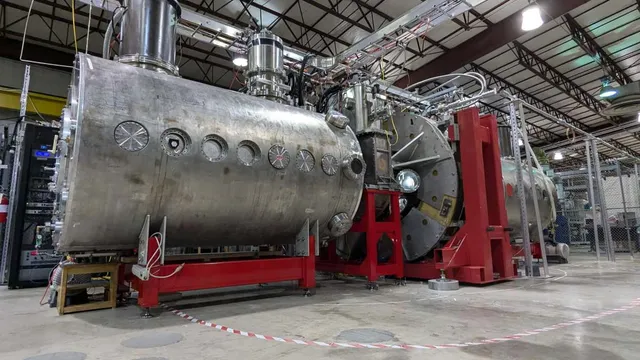
In a significant development for fusion energy, Realta Fusion has chosen the old Oscar Mayer factory in Madison, Wisconsin, as the site for its new research and development facility, named Forge. This decision comes after two years of searching for an appropriate location. The facility is expected to create its first plasma in 2029, marking a crucial milestone in the company's efforts to advance fusion technology. The choice of the Oscar Mayer site was influenced by its ample power supply and proximity to Realta's headquarters, as well as strong bipartisan support from Wisconsin's government, including the governor and legislature. The state of Wisconsin has shown a commitment to supporting fusion power, which is gaining traction due to increasing electricity demand driven by economic electrification and the rise of AI data centers. In 2023 alone, fusion startups raised over $1.5 billion, indicating a growing interest in this energy source. Realta Fusion is set to receive approximately $55 million in incentives from the state and the city of Madison, which includes $15 million in enterprise zone tax credits and $2.8 million in tax increment financing. This financial backing is part of Wisconsin's broader strategy to position itself as a leader in fusion energy. Realta Fusion's decision to remain in Wisconsin is notable, especially as many fusion startups tend to cluster near national laboratories or coastal regions. The company has deep roots in Madison, having originated from an experiment at the University of Wisconsin-Madison. This local connection, combined with the state's proactive approach to fusion energy, has created a favorable environment for Realta's growth. The presence of another fusion company, Shine, in a nearby suburb further strengthens the region's reputation as a hub for fusion research. The timing of this initiative is particularly advantageous for Wisconsin, as the state has embraced fusion power in the wake of other startups relocating to different states. For instance, Type One Energy, another Wisconsin-based fusion startup, moved to Tennessee in 2024. The support from Wisconsin's government and the local community is seen as a critical factor in Realta Fusion's decision to establish its facility in Madison, as it allows the company to gain visibility and access to resources that can aid in its success. As the demand for clean energy continues to rise, Realta Fusion's efforts could play a pivotal role in the future of energy production in the United States.

Context

The impact of fusion energy on electricity demand is a topic of significant relevance as the world seeks sustainable and efficient energy solutions. Fusion energy, which mimics the processes that power the sun, has the potential to provide a nearly limitless source of energy with minimal environmental impact. As countries strive to reduce their carbon footprints and transition away from fossil fuels, the introduction of fusion energy could play a pivotal role in meeting the growing electricity demand driven by population growth, urbanization, and technological advancements. The ability of fusion energy to produce large amounts of electricity without the harmful emissions associated with traditional energy sources positions it as a key player in the future energy landscape. The demand for electricity is expected to rise substantially in the coming decades, fueled by the increasing reliance on electric vehicles, the expansion of digital infrastructure, and the need for more energy-efficient technologies. As economies develop and populations expand, the strain on existing energy resources will intensify. Fusion energy, with its high energy yield and low resource consumption, could alleviate some of this pressure. By providing a stable and reliable source of electricity, fusion could help to stabilize energy prices and reduce the volatility associated with fossil fuel markets, ultimately benefiting consumers and industries alike. Moreover, the integration of fusion energy into the existing energy grid could lead to a more resilient and flexible energy system. Unlike renewable sources such as solar and wind, which are intermittent and dependent on weather conditions, fusion energy can provide a continuous and controllable power supply. This characteristic is crucial for maintaining grid stability as the share of variable renewable energy sources increases. The ability to produce electricity on demand will be essential for meeting peak loads and ensuring that energy supply keeps pace with demand, particularly in urban areas where electricity consumption is highest. In conclusion, the advent of fusion energy has the potential to significantly impact electricity demand by providing a sustainable, reliable, and efficient energy source. As the world grapples with the challenges of climate change and energy security, fusion energy could emerge as a cornerstone of future energy strategies. Its ability to meet the increasing demand for electricity while minimizing environmental impact makes it a critical area of research and investment. The successful development and deployment of fusion technology could not only transform the energy sector but also contribute to a more sustainable and prosperous future.