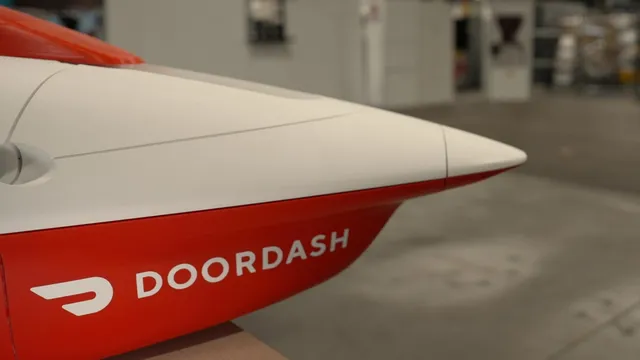
In the United States, DoorDash has recently announced the launch of its in-house drone delivery program, DoorDash Air, following the receipt of Federal Aviation Administration (FAA) Part 135 air carrier certification. This certification allows DoorDash to operate drone package-delivery operations under strict safety and operational oversight. The company has indicated that this move is part of a broader strategy to enhance delivery capabilities and meet increasing consumer demand for delivery services. As part of this initiative, DoorDash is actively hiring professionals with expertise in aviation, robotics, and technical fields, which are not typically associated with traditional food delivery roles.
The introduction of drone delivery raises important questions about the future of delivery jobs. While there are concerns that automation may reduce the demand for human couriers, DoorDash maintains that the integration of drones will not eliminate the need for Dashers, the company’s human delivery workers. Instead, the company argues that drones will complement the existing workforce by handling longer midrange orders, allowing Dashers to focus on shorter deliveries. This approach aims to improve overall delivery efficiency and speed, ultimately benefiting customers.
Despite the potential for automation to change the landscape of delivery work, DoorDash has emphasized that human couriers will continue to play a vital role in the delivery network. The company has not provided specific metrics regarding the proportion of deliveries that could be managed by drones in the future, nor has it speculated on the long-term impact on business performance. However, it has reported that in markets where autonomous deliveries have been tested, such as Arizona, there has been no negative impact on Dasher pay.
As DoorDash moves forward with its drone delivery program, it joins a growing list of companies that have received FAA approval for drone operations. The FAA has noted that DoorDash is the eighth operator to gain this certification, highlighting the increasing interest in integrating drone technology into logistics and delivery networks. The developments in the U.S. reflect a broader trend observed in other countries, where companies have been working for years to incorporate autonomous aircraft into their delivery systems. The future of delivery work may see a shift towards roles that require specialized skills in aviation and robotics, creating new opportunities while also raising concerns about the potential displacement of traditional delivery jobs.