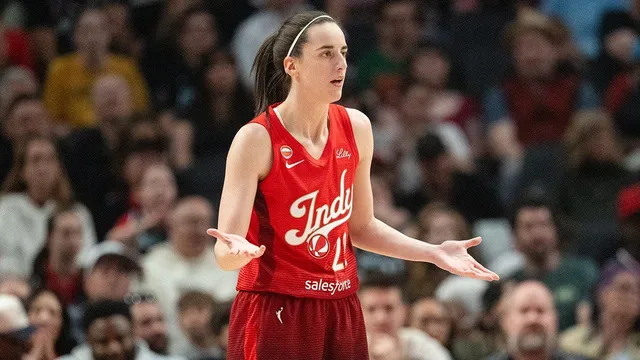
In a recent column, Nancy Armour argues that Caitlin Clark's behavior on the court, particularly her reactions to missed calls, poses a danger to Black and queer players in the WNBA. Armour suggests that Clark's flopping and interactions with officials could incite negative reactions from fans, potentially leading to threats against these players. However, the report lacks specific examples of incidents where Clark's actions directly resulted in harm to any player, raising questions about the validity of the claims. While Armour emphasizes the need for player safety, independent confirmation of her assertions remains limited, and the connection between Clark's actions and the alleged threats is not clearly established.
The discussion around Clark's conduct has sparked debate, particularly regarding the implications of her actions in a broader social context. Armour's column references historical figures like Emmett Till to underscore the seriousness of the issue, yet critics argue that this comparison may be inappropriate given the lack of documented incidents linking Clark to any physical harm against Black or queer players. The narrative presented by Armour appears to be driven by a desire to address systemic issues within the WNBA, but the evidence supporting her claims is not robust.
Furthermore, the column highlights the complexities of race and identity in sports, particularly in how athletes are perceived and treated by fans and the media. While Armour calls for greater accountability from players like Clark, it remains unclear how much responsibility should be placed on individual athletes for the actions of fans or the broader societal issues at play. The lack of concrete examples in Armour's argument raises concerns about the potential for misinterpretation and the oversimplification of a nuanced topic. As the conversation continues, it is essential to approach these claims with caution, recognizing the need for reliable sources to substantiate any allegations made.
Overall, the discourse surrounding Caitlin Clark and player safety in the WNBA reflects ongoing tensions in sports regarding race, identity, and the responsibilities of athletes. While the need for a safe environment for all players is paramount, the connection between Clark's actions and the alleged threats to others remains tenuous, warranting further investigation and discussion.