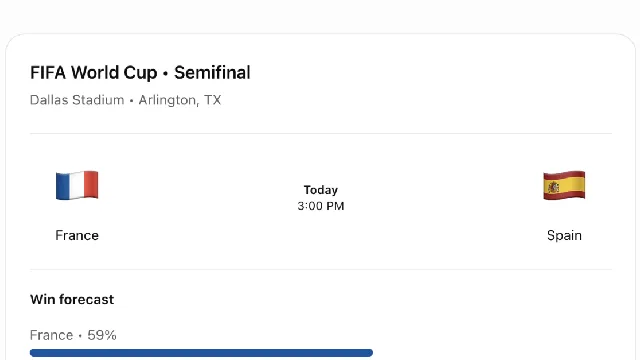
In a significant development for the world of prediction markets, OpenAI has established a partnership with Kalshi, a prominent prediction market platform. This collaboration, reported by The New York Times, aims to incorporate Kalshi's data into OpenAI's offerings, particularly for World Cup-related queries. The integration allows users to receive forecasts based on real-time market data, enhancing the accuracy and relevance of predictions made through OpenAI's chatbots. This move is part of a broader trend where prediction markets like Kalshi and Polymarket are gaining traction, as they seek to provide valuable insights and forecasts across various domains.
The partnership is strategically timed, coinciding with the heightened interest in sports events such as the World Cup. By leveraging Kalshi's data, OpenAI can offer users more informed predictions regarding match outcomes, player performances, and other related queries. This collaboration not only benefits users seeking accurate information but also positions both companies at the forefront of the evolving landscape of predictive analytics. As prediction markets become increasingly integrated into mainstream media and technology, the implications for how information is consumed and utilized are profound.
Furthermore, this partnership reflects a growing recognition of the value of prediction markets in providing insights that traditional data sources may not capture. As Kalshi and similar platforms continue to expand their reach through partnerships with news outlets and technology companies, they are likely to play a crucial role in shaping public discourse around various topics, including sports, politics, and economics. The collaboration between OpenAI and Kalshi is a clear indication of the potential for prediction markets to influence decision-making processes and public opinion.
In conclusion, the integration of Kalshi's data into OpenAI's systems marks a pivotal moment for both organizations. It highlights the increasing importance of real-time data in shaping predictions and the growing acceptance of prediction markets as legitimate sources of information. As this partnership unfolds, it will be interesting to observe how it impacts user engagement and the overall landscape of predictive analytics in the coming months and years.