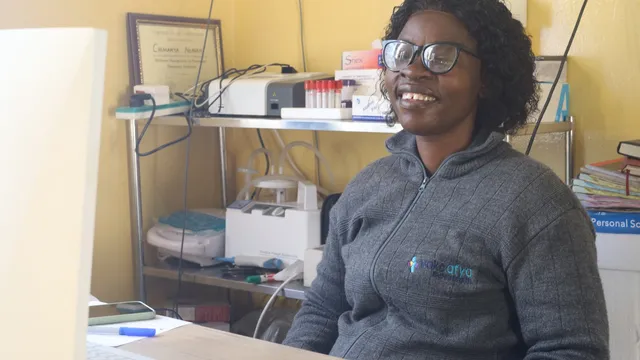
In rural Zimbabwe, a telehealth initiative has emerged to address the significant healthcare gap exacerbated by economic hardships. Patients like Kadzunge, who previously struggled with high blood pressure, have benefited from virtual consultations that eliminate the need for long travel distances to urban health facilities. The Nyazura centre, equipped with satellite internet and backup power, allows patients to connect with doctors remotely, providing timely diagnoses and treatment. This program aims to establish digital health access points within existing post office infrastructure, making healthcare more accessible to rural communities.
Despite the positive impact of telehealth, challenges remain in the form of limited specialist services, particularly in areas like eye health and mental health. Many rural residents are still unfamiliar with virtual consultations, which complicates efforts to build trust in this new healthcare model. Community outreach has been essential in encouraging patients to embrace telehealth, as evidenced by Kadzunge's experience, where she was able to return to her daily routines after receiving treatment.
The initiative is part of a broader effort to improve healthcare access in Zimbabwe, where the public health system has faced significant challenges due to shortages of medicines, equipment, and medical personnel. By bringing healthcare closer to rural populations, the program aims to detect illnesses earlier and provide necessary screenings, ultimately improving health outcomes. The success of this telehealth model could serve as a blueprint for similar initiatives in other regions facing healthcare access issues.
As the program continues to evolve, it highlights the importance of adapting healthcare delivery methods to meet the needs of underserved populations. The experiences of patients like Kadzunge underscore the potential of telehealth to transform lives by providing timely medical care and reducing the burden of travel for rural residents. The ongoing development of this initiative will be crucial in addressing the healthcare disparities that persist in Zimbabwe and ensuring that all citizens have access to the medical care they need.