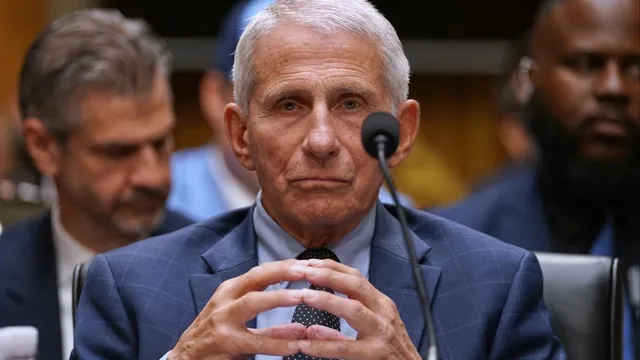
In the United States, the COVID-19 pandemic prompted significant public health measures, including lockdowns, school closures, and mask mandates. Scott Atlas, a former adviser to President Trump, has publicly criticized Anthony Fauci's approach to managing the pandemic. Atlas claims that Fauci's policies led to severe consequences, including an estimated 1.6 million excess deaths from 2020 to 2023 compared to a scenario where Sweden's less restrictive measures were followed. He argues that the lockdowns disproportionately affected children and low-income families, resulting in increased mental health issues and educational setbacks.
Atlas contends that Fauci's influence on government decisions was detrimental, as he allegedly persuaded officials to implement strict measures while denying responsibility for the negative outcomes. The consequences of these policies, according to Atlas, will take decades to fully assess. He emphasizes that the lockdowns and school closures caused significant harm, particularly to vulnerable populations, and that the public health response failed to protect the most affected individuals.
Furthermore, Atlas highlights the importance of accountability in public health decisions, suggesting that the investigations led by Senator Rand Paul have shed light on Fauci's actions and the failures of the COVID-19 response. He believes that the lack of debate and acknowledgment of mistakes has eroded trust in public health institutions and among citizens. Atlas advocates for a return to targeted protections rather than broad, sweeping mandates that disregard individual freedoms and the well-being of children.
In conclusion, the ongoing discourse surrounding the management of the COVID-19 pandemic continues to reveal deep divisions in public health policy and the consequences of decisions made during this unprecedented crisis. The call for accountability and a reevaluation of strategies employed during the pandemic remains a critical issue for American society as it seeks to recover from the lasting impacts of these policies.