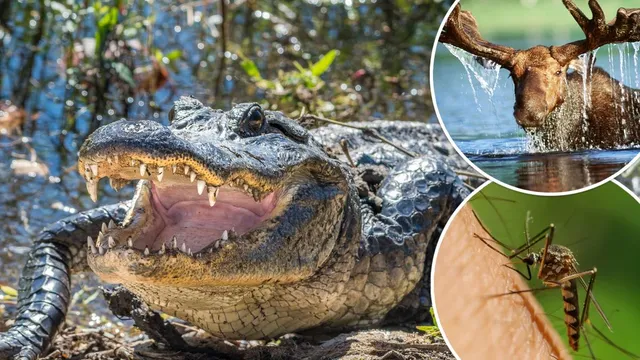
In 2026, a comprehensive analysis by World Population Review highlighted the most dangerous animals across the United States, revealing a surprising variety of threats depending on the state. The data, compiled by AZ Animals, categorized the deadliest pests and animals that could potentially harm residents or visitors. For instance, New York's most dangerous pest is the mosquito, while New Jersey's top threat is the coyote. This information serves as a crucial reminder for individuals to be aware of their surroundings and the wildlife that may pose risks in their specific regions.
The report also noted that certain states are particularly notorious for specific animals. In Texas and Florida, alligators are a significant concern, as their presence in water bodies can lead to dangerous encounters. Meanwhile, states like Kentucky, Massachusetts, Tennessee, Wisconsin, and Oregon are known for their black bear populations, which can be hazardous for hikers and outdoor enthusiasts. The report emphasizes the importance of understanding local wildlife to prevent dangerous situations.
In the western states, Idaho, Montana, and Washington are home to grizzly bears, which are known for their aggressive behavior when provoked. South Dakota and Wyoming face threats from bison, which can be unpredictable and dangerous, especially in tourist areas. Additionally, states like Colorado, Maine, New Hampshire, and Vermont are identified as moose territory, where these large animals can cause fatal accidents if encountered on roads or trails.
The report also highlights the prevalence of venomous snakes across various states, including the eastern diamondback in Louisiana and the Mojave rattlesnake in Nevada. Furthermore, the presence of dangerous marine life, such as bull sharks in Maryland and tiger sharks in Rhode Island, adds another layer of risk for beachgoers. Overall, the findings underscore the diverse and sometimes unexpected dangers posed by wildlife in different regions of the United States, urging residents and visitors to remain vigilant and informed about their local environments.