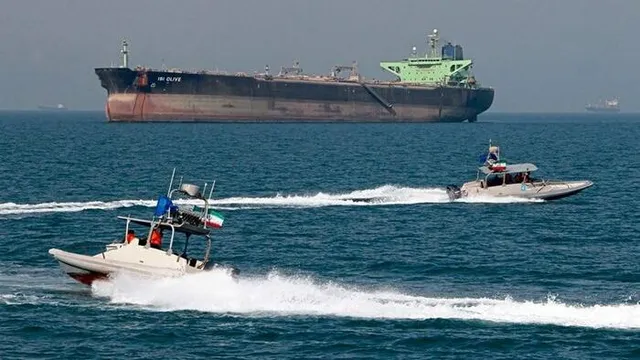
Shipping firms lure crews with bonuses to brave dangerous Strait of Hormuz
military conflicts
impactful
controversial

Shipping firms lure crews with bonuses to brave dangerous Strait of Hormuz

21
(Update: )
city on Hormuz Island, Hormozgan Province, Iran
  • International shipping firms are offering substantial bonuses to crews for navigating the Strait of Hormuz due to increased risks.
  • The US war on Iran has led to numerous attacks on commercial vessels, resulting in fatalities and heightened shipping costs.
  • Gulf oil producers are investing in alternative pipelines to reduce reliance on the Strait of Hormuz, aiming to insulate exports from disruptions.
Share opinion
2

Story

In recent weeks, international shipping firms have been incentivizing crews with substantial bonuses to navigate the perilous Strait of Hormuz, a critical maritime route for oil shipments. The Sinokor Group, the largest supertanker owner globally, has reportedly offered its crews six months of additional salary for a return voyage from Saudi Arabia or Iraq to the Gulf of Oman. This offer comes amid heightened tensions and risks in the region, particularly since the onset of the US war on Iran, which has seen numerous attacks on commercial vessels, resulting in fatalities among seafarers. The United Nations' shipping agency has documented at least 59 attacks on commercial ships in the Persian Gulf, with 17 seafarers killed, underscoring the dangers faced by those willing to undertake these voyages. Despite the lucrative offers, many seafarers are still hesitant to accept the additional pay due to the significant risks involved. The situation has led to a dramatic increase in shipping costs, as insurance premiums have surged in response to the escalating threats. Recent shipping data indicates that traffic through the Strait of Hormuz has been severely impacted, with only 30 verified crossings recorded between July 17 and 19. Shipping firms are increasingly avoiding US-controlled corridors along Oman's coast, fearing Iranian strikes, which have further complicated the situation. As a result, Gulf oil producers are now investing billions in alternative pipeline projects to reduce their reliance on the Strait of Hormuz. These projects aim to redirect oil supplies to ports along the Red Sea, Suez Canal, and Gulf of Oman, with the goal of insulating a significant portion of their exports from potential disruptions. Analysts predict that these new pipelines could transport up to 7.3 million barrels of oil per day by the end of 2028, significantly reducing the region's vulnerability to Hormuz-related disruptions. However, even these alternative routes face threats from Iran-backed groups, highlighting the ongoing instability in the region and the urgent need for Gulf oil producers to diversify their export strategies.

Context

The ongoing tensions between the United States and Iran have significant implications for global shipping, particularly in the strategically vital Strait of Hormuz, through which a substantial portion of the world's oil supply is transported. The Strait of Hormuz is a narrow passage that connects the Persian Gulf to the Gulf of Oman, and it is a critical chokepoint for maritime trade. Any escalation in hostilities between the U.S. and Iran can lead to increased military presence in the region, heightened security risks for commercial vessels, and potential disruptions in shipping routes. As a result, shipping companies must navigate not only the physical challenges of the waters but also the geopolitical landscape that can change rapidly and unpredictably. In recent years, incidents such as the seizure of tankers, drone attacks on oil facilities, and military confrontations have underscored the volatility of the region. These events have prompted shipping companies to reassess their risk management strategies, often leading to increased insurance premiums and the need for enhanced security measures. The potential for conflict can also result in shipping delays, rerouting of vessels, and increased operational costs, all of which can have a cascading effect on global supply chains. Furthermore, the uncertainty surrounding U.S.-Iran relations can lead to fluctuations in oil prices, impacting not only the shipping industry but also economies worldwide. The U.S. has implemented various sanctions against Iran, which have further complicated shipping operations. These sanctions can deter shipping companies from engaging in trade with Iranian entities, leading to a decrease in shipping traffic in the region. Additionally, the threat of U.S. military action against Iranian assets can create an atmosphere of fear and caution among shipping operators, who may choose to avoid the area altogether. This shift in shipping patterns can lead to increased congestion in alternative routes, such as around the Cape of Good Hope, which can further strain global shipping resources and increase transit times. In conclusion, the impact of U.S.-Iran tensions on shipping is multifaceted, affecting not only the immediate region but also global trade dynamics. As geopolitical tensions continue to evolve, shipping companies must remain vigilant and adaptable, employing robust risk management strategies to mitigate the potential impacts of conflict. The interplay between military actions, economic sanctions, and shipping operations will continue to shape the landscape of maritime trade, necessitating ongoing analysis and response from industry stakeholders.