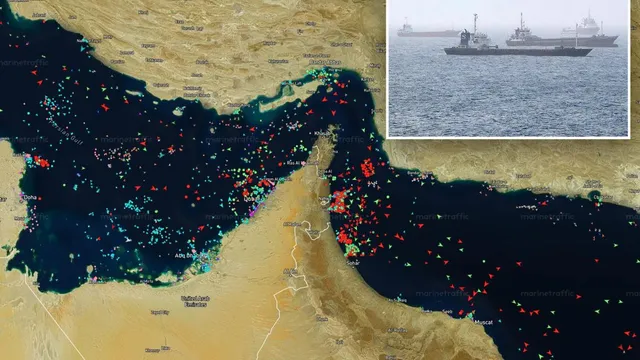
The Strait of Hormuz is a strategically vital waterway that plays a crucial role in the global oil supply chain. It connects the Persian Gulf with the Gulf of Oman and the Arabian Sea, serving as a transit point for a significant portion of the world's oil shipments. Approximately 20% of the global oil supply passes through this narrow strait, making it one of the most important chokepoints in the world. The geopolitical significance of the Strait of Hormuz is underscored by the fact that it is bordered by several key oil-producing nations, including Iran, Iraq, and the United Arab Emirates. Any disruption in this area can have immediate and far-reaching consequences for global oil prices and supply stability.
The stability of the Strait of Hormuz is often threatened by regional tensions, particularly involving Iran, which has historically used its strategic position to exert influence over oil markets. Incidents such as military confrontations, threats to shipping, or the imposition of blockades can lead to significant fluctuations in oil prices. For instance, during periods of heightened military activity or political unrest in the region, oil prices have been known to spike due to fears of supply disruptions. This volatility can have a cascading effect on global economies, particularly those that are heavily reliant on oil imports.
In addition to geopolitical risks, the Strait of Hormuz faces environmental challenges that could impact its role in global oil supply. Oil spills, maritime accidents, and the potential for environmental degradation pose risks not only to the local ecosystem but also to the shipping routes that are vital for oil transport. The international community has recognized the importance of maintaining safe and secure passage through the strait, leading to various diplomatic efforts aimed at ensuring freedom of navigation and addressing environmental concerns.
In conclusion, the Strait of Hormuz is a critical artery for global oil supply, with its stability directly influencing oil prices and economic conditions worldwide. The interplay of geopolitical tensions, environmental challenges, and the strategic importance of this waterway necessitates ongoing monitoring and international cooperation to mitigate risks. As global energy demands continue to evolve, the significance of the Strait of Hormuz will remain a focal point for policymakers and industry stakeholders alike.