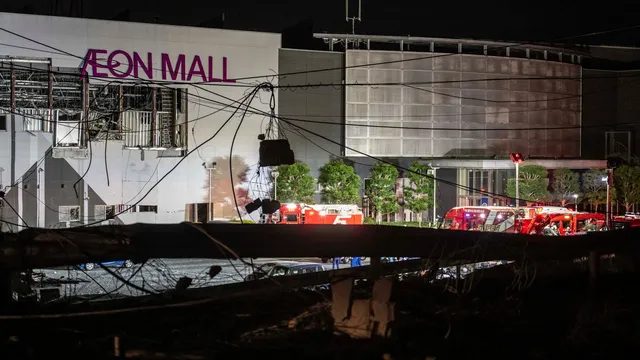
Japan is one of the most seismically active countries in the world, situated at the convergence of four tectonic plates: the Pacific, Philippine Sea, Eurasian, and North American plates. This unique geological setting makes Japan particularly vulnerable to earthquakes, which have shaped its history, culture, and infrastructure. The country experiences thousands of earthquakes each year, although most are too small to be felt. However, significant seismic events have had profound impacts on Japanese society, leading to loss of life, destruction of property, and changes in building codes and disaster preparedness measures.
Historically, Japan has faced some of the most devastating earthquakes on record. The Great Kanto Earthquake of 1923, which struck the Tokyo-Yokohama area, resulted in over 140,000 deaths and widespread destruction. This disaster highlighted the need for improved urban planning and disaster response strategies. In more recent history, the Great East Japan Earthquake of March 11, 2011, was one of the most powerful earthquakes ever recorded, registering a magnitude of 9.0. It triggered a massive tsunami that caused catastrophic damage, particularly to the Fukushima Daiichi Nuclear Power Plant, leading to a nuclear crisis. The aftermath of this event prompted a nationwide reevaluation of nuclear energy policies and disaster preparedness protocols.
In response to the persistent threat of earthquakes, Japan has developed one of the most advanced earthquake monitoring and response systems in the world. The Japan Meteorological Agency (JMA) plays a crucial role in detecting seismic activity and issuing timely warnings to the public. Building codes have been significantly strengthened to ensure that structures can withstand seismic forces, and public education campaigns have been implemented to prepare citizens for potential earthquakes. These measures have contributed to a decrease in casualties and damage during seismic events, although challenges remain, particularly in densely populated urban areas.
The cultural impact of earthquakes in Japan is also significant. Earthquakes have influenced literature, art, and public consciousness, often serving as a backdrop for themes of resilience and the impermanence of life. Festivals and memorials commemorate past disasters, fostering a collective memory that emphasizes the importance of preparedness and community solidarity. As Japan continues to face the reality of living in a seismically active region, the lessons learned from past earthquakes will remain vital in shaping the future of disaster management and urban resilience.