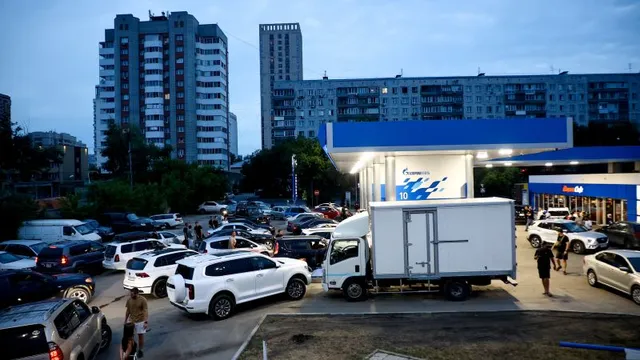
Russia imposes total diesel export ban amid fuel crisis
business
impactful
controversial

Russia imposes total diesel export ban amid fuel crisis

54
(Update: )
sovereign state in Eastern Europe and Northern Asia
East Slavic language
  • Russia has imposed a complete ban on diesel exports to address domestic fuel shortages.
  • The ban follows a series of Ukrainian drone strikes on Russian oil refineries, leading to widespread fuel shortages.
  • The situation highlights the ongoing geopolitical tensions and could lead to increased global diesel prices.
Share opinion
5

Story

In response to ongoing Ukrainian drone strikes targeting its oil refineries, Russia has implemented a complete ban on diesel exports as of July 8, 2026. This decision was announced by Russian Deputy Prime Minister Alexander Novak during a government meeting with President Vladimir Putin. The ban aims to address severe fuel shortages within Russia, which have been exacerbated by the conflict with Ukraine. Reports indicate that nearly all of Russia's regions are experiencing gasoline shortages, leading to long queues at gas stations and rationing measures being imposed. The situation has been further complicated by the geopolitical tensions in the global energy market, particularly concerning the Strait of Hormuz, a critical passage for oil shipments. The U.S. has reimposed sanctions on Iranian oil, which could lead to further disruptions in global supply. Analysts predict that the ban on diesel exports will likely drive prices up, as Russia is the world's second-largest diesel exporter, following the U.S. The ban extends previous restrictions that had already limited non-producers from selling diesel abroad. As the conflict continues, the impact of Ukraine's sustained attacks on Russian energy infrastructure has been felt not only within Russia but also in Central Asia, where countries heavily reliant on Russian fuel are facing energy crises. The lack of a coordinated energy strategy in Central Asia has left these nations vulnerable to supply disruptions, leading to increased fuel prices and shortages. Some governments in the region are seeking alternative suppliers to mitigate the crisis, but the reliance on Russian oil remains high. In Crimea, which Russia annexed in 2014, the fuel situation is dire, with reports of residents receiving only a fraction of their daily fuel needs. President Putin has called for subsidies to support the population in occupied territories as fuel prices soar. The ongoing drone strikes by Ukraine have targeted not only refineries but also the logistics of fuel transport, further straining Russia's ability to supply its own territories and maintain its military operations. The situation remains fluid, with the potential for further escalation as both sides continue to engage in military actions.

Context

The impact of the Russian diesel export ban on the global market is a significant topic of discussion, particularly in light of the geopolitical tensions and the evolving energy landscape. As of July 2026, Russia has implemented a ban on diesel exports, which has sent shockwaves through the global energy market. This decision is primarily a response to domestic economic pressures and the need to stabilize local fuel prices. The ban has led to a substantial reduction in the availability of diesel fuel, which is critical for various sectors, including transportation, agriculture, and manufacturing. Consequently, countries that heavily relied on Russian diesel are now facing supply shortages, leading to increased prices and potential economic disruptions. The immediate effects of the ban have been felt most acutely in Europe, where many nations depended on Russian diesel to meet their energy needs. As a result, European countries have been forced to seek alternative sources of diesel, which has led to increased competition for supplies from other regions, such as the Middle East and the United States. This shift in sourcing has not only driven up prices but has also raised concerns about energy security and the long-term sustainability of alternative supply chains. Additionally, the increased demand for diesel from other regions may lead to a ripple effect, impacting global oil prices and creating further volatility in the market. In response to the ban, some countries have begun to explore domestic production options and invest in renewable energy sources to reduce their dependence on fossil fuels. This shift could have long-term implications for the global energy market, as nations strive to achieve greater energy independence and sustainability. However, the transition to alternative energy sources is not without its challenges, including the need for significant investment in infrastructure and technology. The urgency of the situation has prompted discussions about energy diversification and the importance of developing resilient energy systems that can withstand geopolitical shocks. Overall, the Russian diesel export ban has highlighted the interconnectedness of the global energy market and the vulnerabilities that arise from over-reliance on a single supplier. As countries navigate the immediate impacts of the ban, the focus will likely shift towards long-term strategies for energy security and sustainability. The situation serves as a reminder of the importance of diversifying energy sources and investing in alternative technologies to mitigate the risks associated with geopolitical tensions and supply disruptions.