The history of long-haul flights is a fascinating journey that reflects the evolution of aviation technology and the changing dynamics of global travel. The concept of long-haul flights began to take shape in the early 20th century, with the first significant milestone occurring in 1919 when British aviators John Alcock and Arthur Brown completed the first non-stop transatlantic flight from Newfoundland to Ireland. This pioneering flight marked the beginning of a new era in air travel, demonstrating the potential for connecting distant continents and paving the way for future advancements in long-distance aviation.
The development of long-haul flights accelerated in the mid-20th century, particularly after World War II. The introduction of jet engines revolutionized air travel, allowing aircraft to fly faster and higher than ever before. In 1958, Pan Am launched the first commercial jet service with the Boeing 707, which significantly reduced travel time across the Atlantic. This era also saw the emergence of wide-body aircraft, such as the Boeing 747, which debuted in 1970 and could carry more passengers over longer distances, making air travel more accessible and affordable for the general public.
As the demand for long-haul flights grew, airlines began to expand their networks, connecting cities across the globe. The 1980s and 1990s witnessed the rise of hub-and-spoke systems, where airlines established major hubs to facilitate connections between long-haul and short-haul flights. This innovation allowed for greater efficiency in scheduling and increased the number of destinations available to travelers. Additionally, advancements in navigation and communication technologies improved the safety and reliability of long-haul flights, further boosting passenger confidence in air travel.
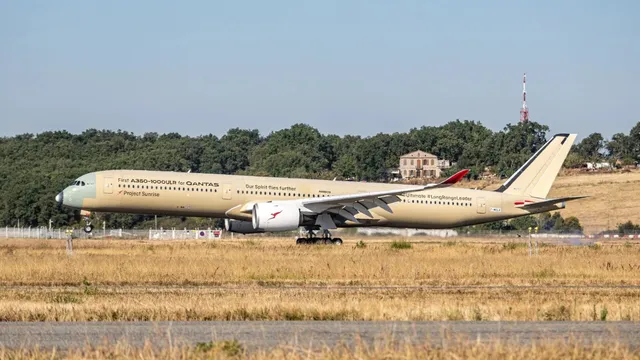
In the 21st century, long-haul flights have continued to evolve, with airlines focusing on enhancing passenger comfort and experience. The introduction of newer aircraft models, such as the Airbus A380 and Boeing 787 Dreamliner, has allowed for longer non-stop routes and improved fuel efficiency. Furthermore, the rise of low-cost carriers has made long-haul travel more accessible to a broader audience. As we look to the future, the ongoing development of sustainable aviation technologies and the potential for supersonic travel may redefine the landscape of long-haul flights, continuing to connect people and cultures across the globe.