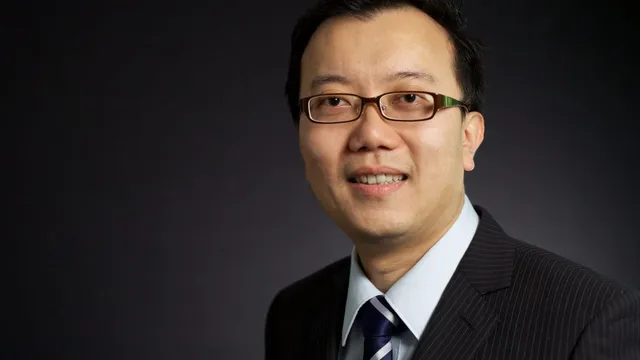
Southeast Asia is currently facing challenges in advancing its position in the global AI market. Edward Lee, the chief economist at Standard Chartered, highlighted that despite the region's involvement in the AI supply chain, it has not significantly progressed up the value chain. Countries like Singapore, Malaysia, and Thailand are engaged in semiconductor production and assembly of AI servers, yet they need to invest more in research and development to remain relevant. The Singapore government has allocated over 1 billion Singapore dollars for AI research, but the high costs of R&D pose a significant barrier.
The demand for AI processors is surging, benefiting companies like Taiwan Semiconductor Manufacturing Company, Samsung Electronics, and SK Hynix. However, Lee warns that simply throwing money at the industry will not guarantee success. The IT & Business Process Association of the Philippines has downgraded its revenue and job forecasts for 2028, indicating a more cautious outlook for the region's tech sector.
Standard Chartered's research team has also lowered its global growth forecast for 2026, citing geopolitical tensions and conflicts in the Middle East as contributing factors. These developments could further strain economies in Southeast Asia, particularly those reliant on oil and natural gas. Lee emphasizes that geopolitical risks are reshaping how businesses approach their supply chains, making it crucial for Southeast Asian nations to adapt.
In conclusion, while Southeast Asia has potential in the AI sector, it must prioritize investment in R&D and navigate the complexities of global economic shifts to avoid falling behind in the AI revolution.