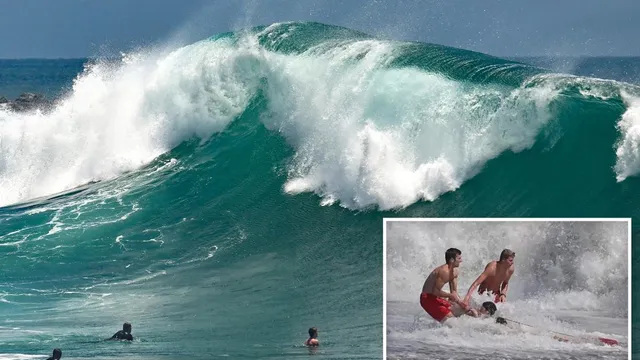
Rip currents are powerful, narrow channels of water that flow away from the shore, posing a significant risk to beachgoers. Understanding the nature of rip currents is crucial for safety. They can form in any large body of water, including oceans and large lakes, and are often created by the interaction of waves, tides, and the underwater topography. These currents can move at speeds of up to 8 feet per second, which is faster than an Olympic swimmer. It is essential for individuals to recognize the signs of rip currents, which may include a difference in water color, a break in the wave pattern, or foam and debris moving seaward. Awareness of these indicators can help beachgoers avoid dangerous situations before they enter the water.
To stay safe while enjoying the beach, it is vital to follow certain precautions. Always swim at beaches with lifeguards present, as they are trained to identify and respond to rip currents. Before entering the water, check local weather and surf conditions, as these can change rapidly and affect the strength of rip currents. It is advisable to swim with a buddy, as having someone nearby can be crucial in case of an emergency. Additionally, it is important to heed any warning flags or signs posted at the beach, as they provide valuable information about current conditions and potential hazards.
If caught in a rip current, it is essential to remain calm and conserve energy. Instead of fighting against the current, swim parallel to the shore until you are out of the current's grip. Once free, you can then swim back to the beach at an angle. If you are unable to swim back, float or tread water and signal for help by raising your arm. It is important to remember that rip currents do not pull you under; they carry you away from the shore. Understanding this can help alleviate panic and allow for a more rational response to the situation.
Education and awareness are key components in preventing rip current-related accidents. Beachgoers should familiarize themselves with rip current safety tips and share this knowledge with others. Schools, community organizations, and local governments can play a role in promoting rip current safety through educational programs and outreach initiatives. By increasing awareness and understanding of rip currents, we can help ensure that beachgoers enjoy a safe and pleasant experience at the beach.